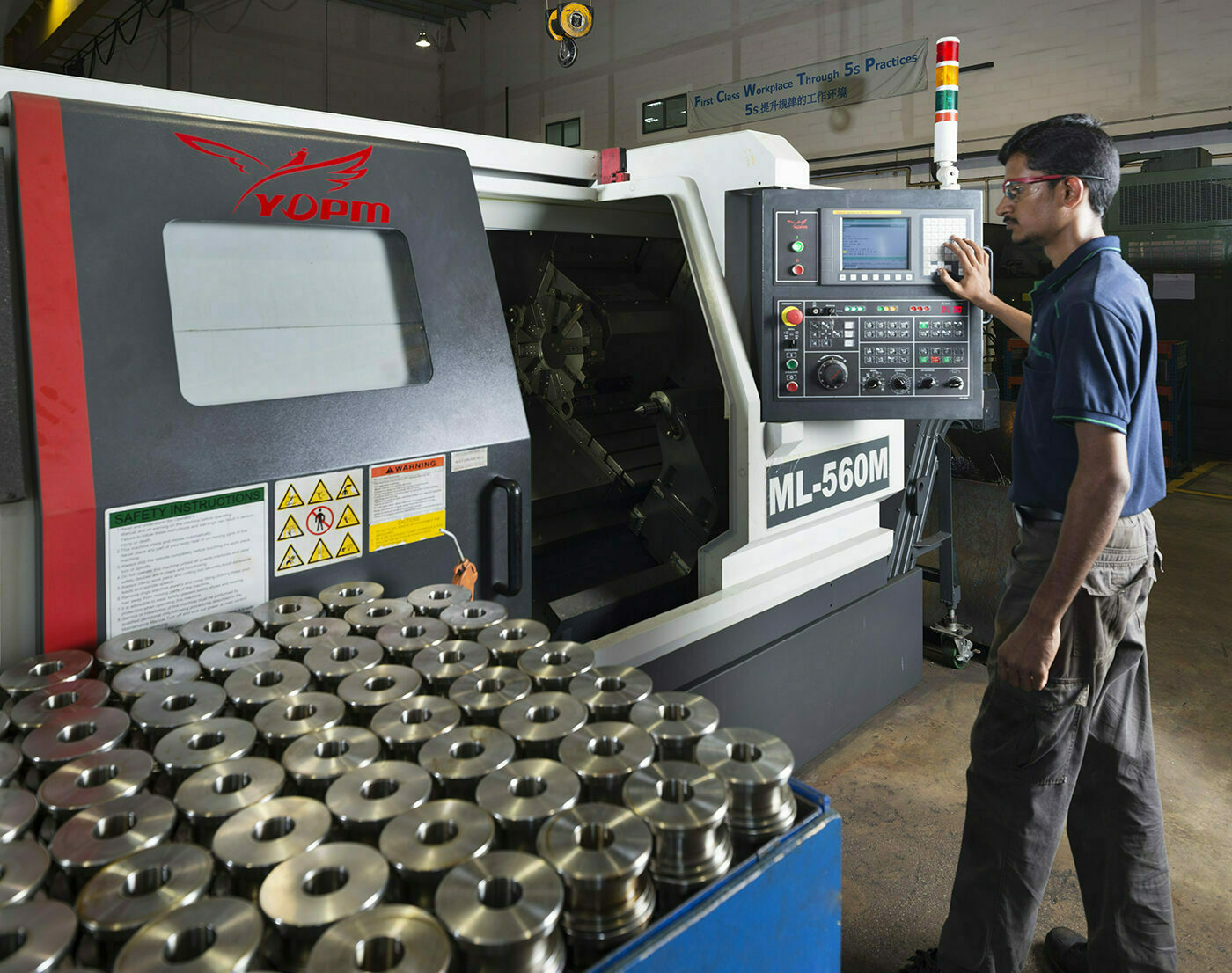
Hydraulic cylinders are the often unseen workhorses of numerous applications across the globe, silently powering demanding operations in building, farming, production, and mining operations. These strong hydraulic devices convert controlled oil into controlled, linear action, raising, pushing, retrieving, and placing massive loads with control and reliability. While they may look deceptively plain from the exterior, the performance of a mechanical actuator is the result of the perfect coordination of multiple inner components operating together in perfect balance. Understanding these important elements and their roles is key for any technician involved in planning, operation, or repair of hydraulic machines. Hydraulic cylinder parts
Core Parts of a Hydraulic Actuator and How They Operate
At the heart of each mechanical cylinder lies the main body, a carefully crafted chamber that houses the main sliding parts. It acts as the central body of the unit and stores the hydraulic oil that carries force. Because it must handle intense operating pressure and allow consistent operation, the inside surface of the tube is carefully treated to tight tolerances.Inside this tube sits the pressure plate, the active element that divides the internal area into distinct fluid sections. When controlled fluid is directed to either side of the piston, force builds up and moves the piston along the length of the barrel. This action is what ultimately creates the powerful, linear motion that the cylinder is built to provide. The piston position and sealing within the tube are vital for maximum pressure delivery and reduced oil bypass.
Connected directly to the piston is the piston rod, a reinforced alloy arm that carries the power generated within the cylinder to the external mechanism. Whether moving out to raise a massive object or retracting to reposition a component, the drive bar must be extremely durable and damage-resistant. Often surface-treated or otherwise processed to limit rust and resistance, this shaft ensures that the system can deliver reliable results under the harshest conditions. Hydraulic cylinder parts
Why Learning Hydraulic Cylinder Components Matters Even Than You Expect
Industrial systems hold a major role in numerous industrial uses, but their efficiency and longevity depend on the condition of each inner component. Learning the functions of the pressure barrel, core, rod, rings, and supporting parts allows operators to spot issues early, schedule repairs in advance, and support informed choices about repairs or upgrades. A worn shaft seal might lead to oil escape long before a major issue becomes evident, and spotting this soon can save major delays and repair costs.Moreover, picking the right industrial system for a specific task needs knowledge of how these parts impact force, motion management, and lifespan. Whether you are specifying equipment for a building operation, repairing agricultural equipment, or analyzing plant processes, a strong grasp of hydraulic cylinder structure helps support maximum performance.
As the backbone of so numerous hydraulic applications, hydraulic cylinders deserve careful focus. By understanding the functions each component performs—from the power of the drive bar to the accuracy of a compact ring—you maximize the complete capability of your equipment and protect its performance for a long time to come.
Find out more on - Hydraulic cylinder parts